> For the complete documentation index, see [llms.txt](https://docs.stableflow.ai/llms.txt). Markdown versions of documentation pages are available by appending `.md` to page URLs; this page is available as [Markdown](https://docs.stableflow.ai/overview/how-stableflow-works/smart-routing/near-intents.md).
# NEAR Intents
High crosschain capital efficiency, with size.
## Introducing the Solver Advantage
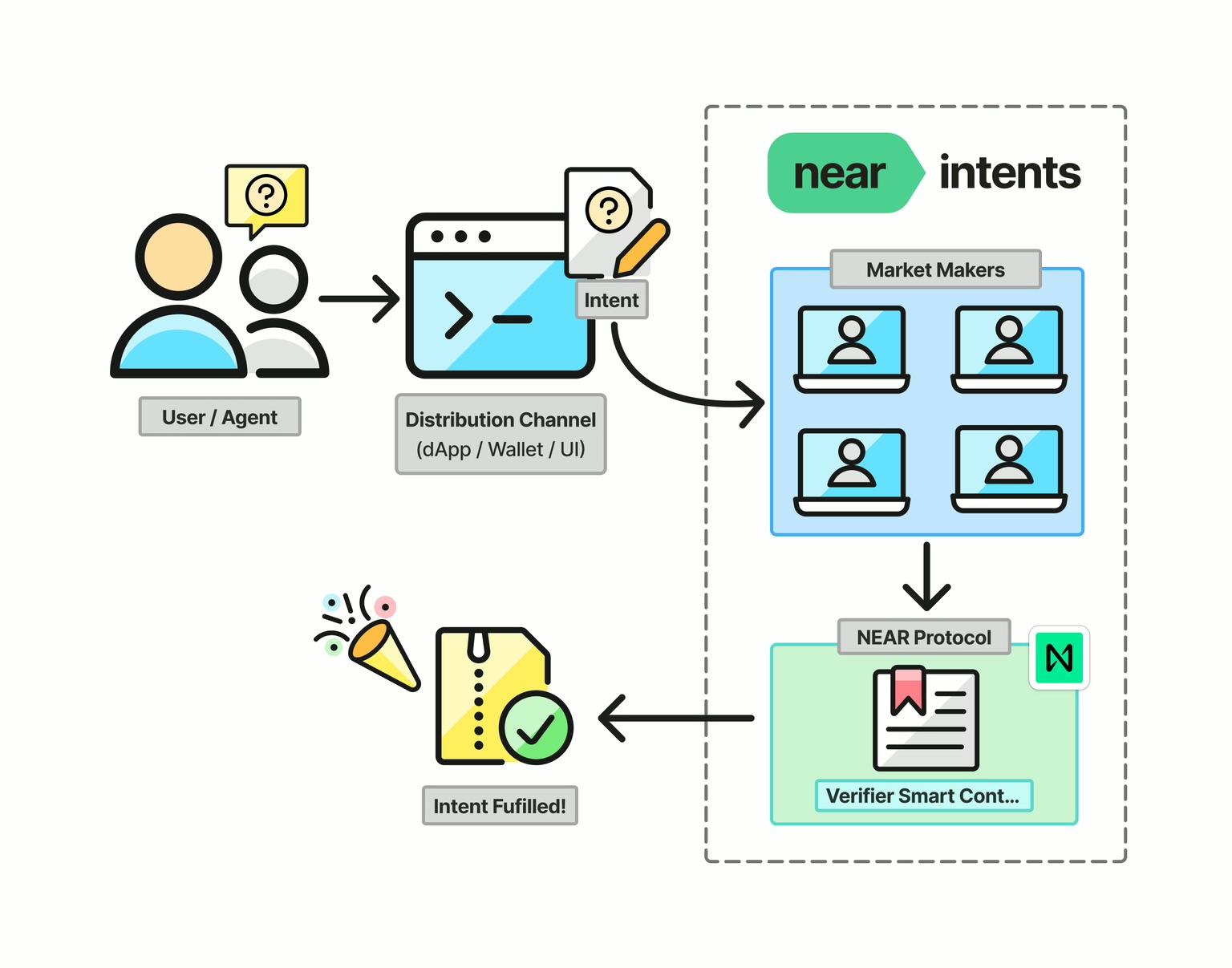
While traditional bridges hit liquidity walls, the NEAR Intents solver network that powers StableFlow ensures deep liquidity at any size. Professional market makers compete to give you the best rate, backed by a shared lending facility that can direct the network's entire capital base toward a single trade.
This architecture is why StableFlow can handle transfers that other bridges cannot, with minimal slippage even at seven-figure sizes.
***
## Security Built on NEAR Intents
All transfers routed through NEAR Intents are atomically settled by the [Verifier Smart Contract](https://docs.near-intents.org/near-intents) on NEAR Protocol. Your transfer either completes entirely across both chains or fails with automatic refunds: no partial states, no lost funds. The process uses cryptographic proofs and signed intents to ensure only authorised actions are executed.
For large transfers exceeding seven figures, StableFlow utilises a beta version of NEAR Intents called Escrow Intents. This provides solvers with greater flexibility in sourcing liquidity.
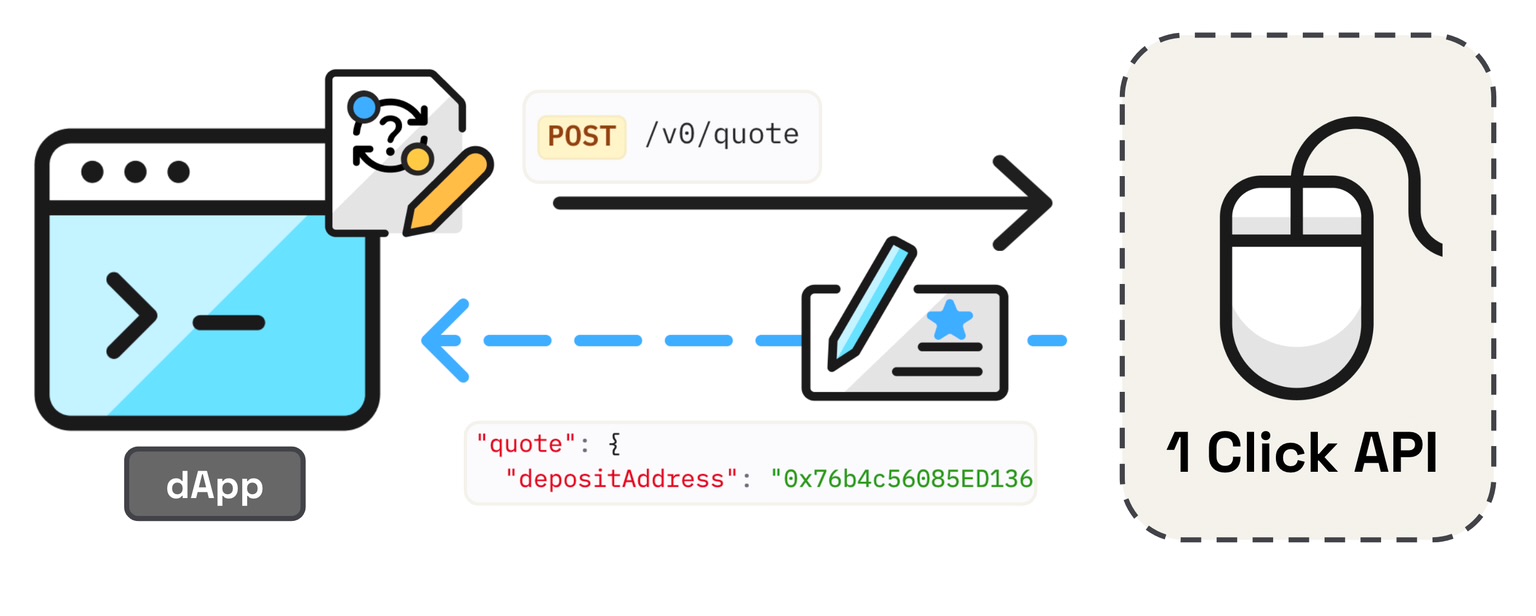
Previously, solvers needed to pre-deposit assets. Now, they can source liquidity after providing users with a quote, leading to increased capital efficiency and enabling solvers to fulfil substantially larger intent orders.